Cooperatives around the world operate according to the same set of core principles and values, adopted by the International Co-operative Alliance. Cooperatives trace the roots of these principles to the first modern cooperative founded in Rochdale, England in 1844. These principles are a key reason that America’s electric cooperatives operate differently from other electric utilities, putting the needs of their members first.
About Inter-County Energy
Our mission here at Inter-County Energy is to provide energy and services to our members through a culture of Safety, Accountability, Integrity, Innovation, and Commitment to Community.
Cooperative Principles
Open and Voluntary Membership
Membership in a cooperative is open to all people who can reasonably use its services and stand willing to accept the responsibilities of membership, regardless of race, religion, gender, or economic circumstances.
Democratic Member Control
Cooperatives are democratic organizations controlled by their members, who actively participate in setting policies and making decisions. Representatives (directors/trustees) are elected among the membership and are accountable to them. In primary cooperatives, members have equal voting rights (one member, one vote); cooperatives at other levels are organized in a democratic manner.
Members’ Economic Participation
Members contribute equitably to, and democratically control, the capital of their cooperative. At least part of that capital remains the common property of the cooperative. Members allocate surpluses for any or all of the following purposes: developing the cooperative; setting up reserves; benefiting members in proportion to their transactions with the cooperative; and supporting other activities approved by the membership.
Autonomy and Independence
Cooperatives are autonomous, self-help organizations controlled by their members. If they enter into agreements with other organizations, including governments, or raise capital from external sources, they do so on terms that ensure democratic control as well as their unique identity.
Education, Training, and Information
Education and training for members, elected representatives (directors/trustees), CEOs, and employees help them effectively contribute to the development of their cooperatives. Communications about the nature and benefits of cooperatives, particularly with the general public and opinion leaders, help boost cooperative understanding.
Cooperation Among Cooperatives
By working together through local, national, regional and international structures, cooperatives improve services, bolster local economies, and deal more effectively with social and community needs.
Concern for Community
Cooperatives work for the sustainable development of their communities through policies supported by the membership.
Member Control & History
Inter-County Energy's brief history
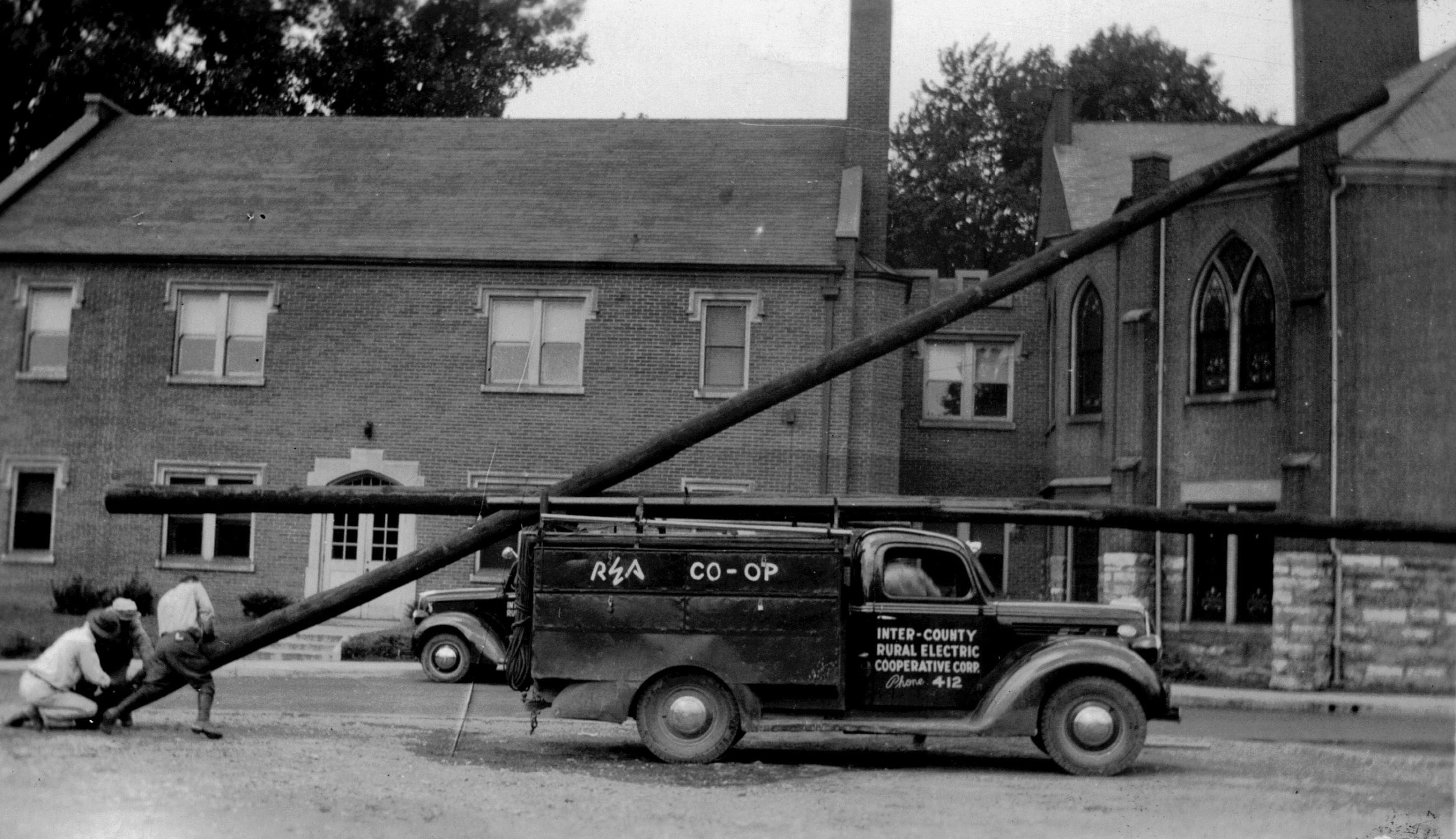
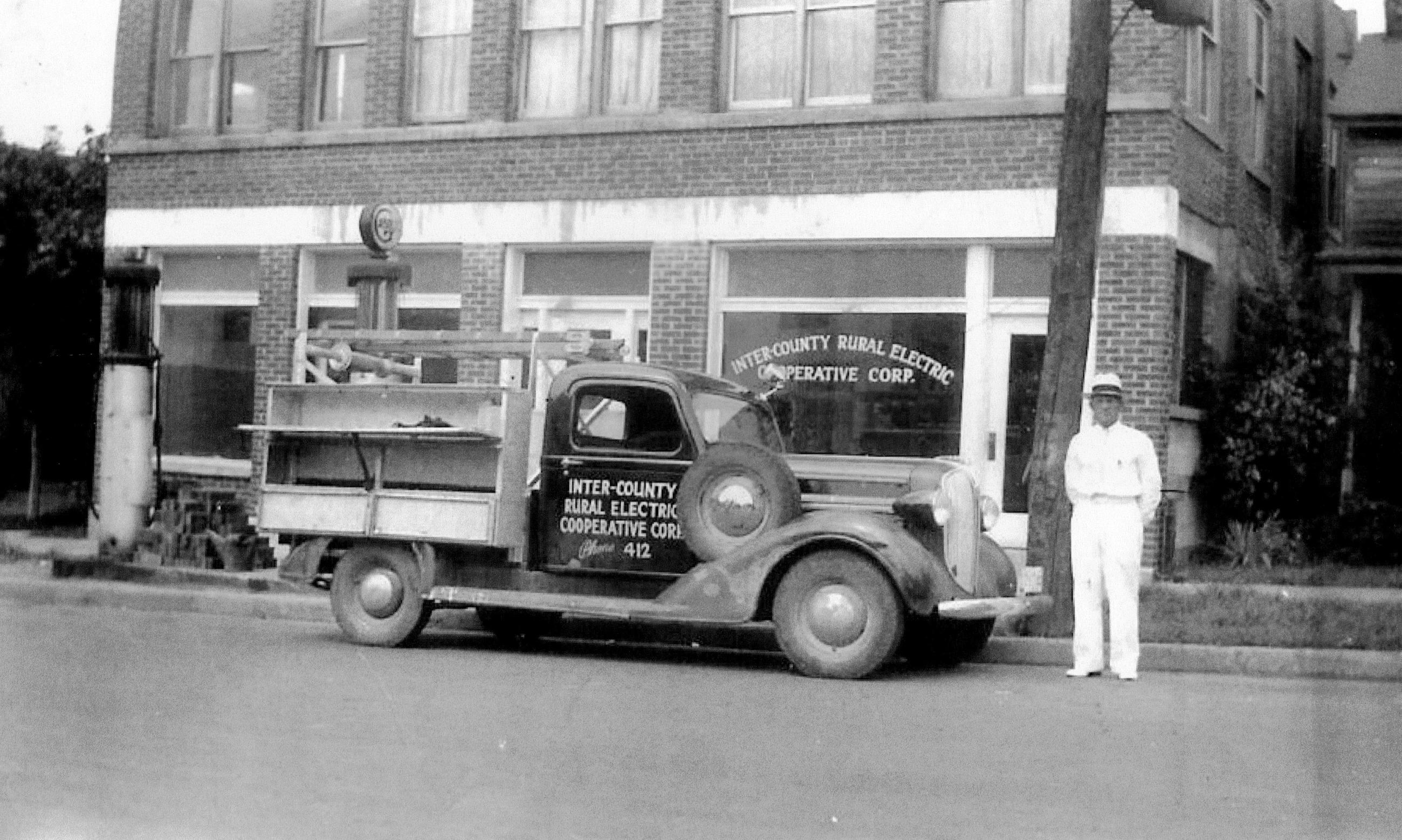
On June 14, 1937, a small group of people from Boyle, Garrard, and Marion counties met in the Farm Bureau office in Danville and officially organized Inter-County Rural Electric Cooperative Corporation for the purpose of making electric service available in the surrounding rural area. Learn more of the cooperative history.
You're The Owners
Inter-County Energy is locally owned and controlled by the members that use its services and operates on a non-profit basis.
Control of the cooperative rests with the members and any economic gain is given back to the members in proportion to the use they make of its services.
Here's how it works: when a person becomes a member of Inter-County Energy, they pay a membership fee. The member receives a membership certification and the same voting privilege as any other member. Each member has one vote that they may cast during election or other matters concerning the cooperative.
The cooperative is required to have an annual meeting where the members are informed about the cooperative's financial condition, its growth, and an election of the Board of Directors is held.
Being Non-Profit
The cooperative operates on a non-profit basis. At the end of the year the amount of money that is in excess of operating costs is prorated back to the members based on the amount of their usage during the year. This is known as Capital Credits.
Board Members & Voting Districts
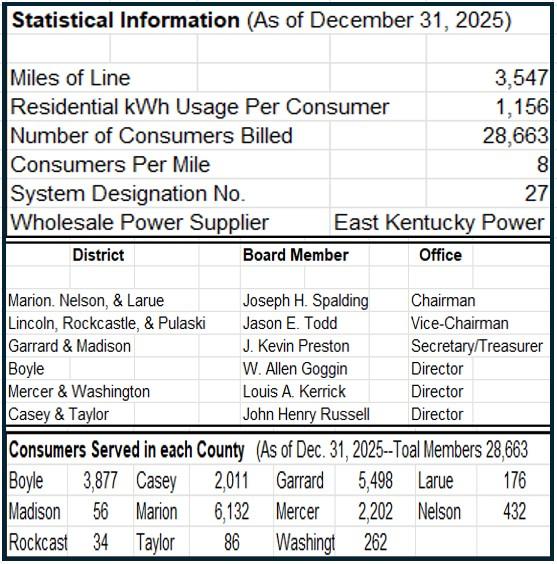
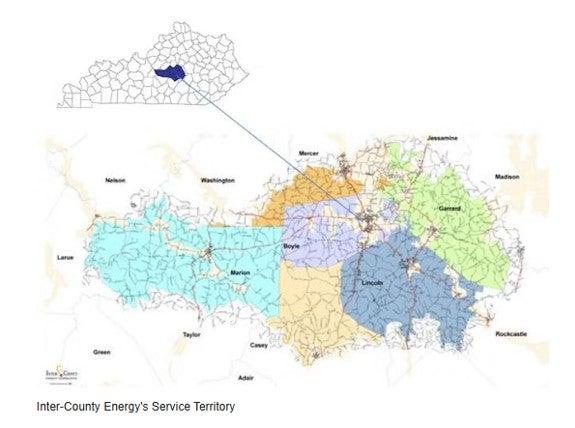
The areas served have been divided into six (6) districts and one board member is elected from each district. The six districts and the counties included in each are: